


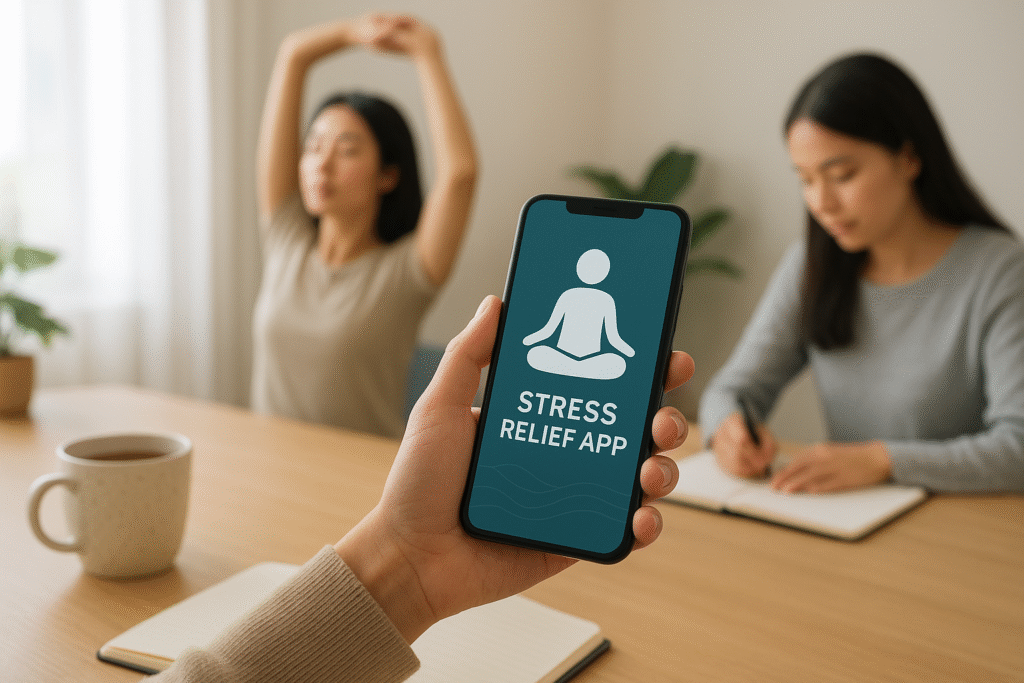
In today’s fast-paced world, managing daily pressures can feel overwhelming, which is why a stress relief app has become an essential tool for maintaining mental well-being. These apps are designed to offer quick, practical solutions to help individuals cope with stress, improve focus, and find moments of calm during hectic days. With technology advancing, solutions like mindunload.com provide users with easy-to-access tools for managing emotional and mental wellness.
From meditation exercises to journaling prompts, these tools offer versatile techniques to address stress triggers. Beyond simple relaxation, they act as a bridge between awareness and action, helping users understand their emotional patterns and take proactive steps toward better mental health. When used consistently, they can create lasting habits that reduce anxiety, improve sleep, and enhance overall productivity.
Table of Contents
What Is a Stress Relief App?
These digital platforms are designed to help individuals manage stress, anxiety, and emotional fatigue. Unlike traditional methods, which often require time-consuming sessions with therapists, they provide accessible, user-friendly solutions anytime and anywhere.
Many platforms, like mindunload.com, offer a wide range of features, including guided meditation, breathing exercises, mood tracking, and reflective journaling. By using a stress release tool integrated within these platforms, users can actively engage with their emotions and monitor improvements over time.
Additionally, the flexibility of these tools allows users to tailor their experience according to personal preferences. Whether it’s a five-minute meditation during a lunch break or a nightly reflective journal, consistent use ensures individuals can effectively manage stress without disrupting their daily routine.
Benefits
1. Accessible Anywhere, Anytime
One of the most significant advantages of a stress relief app is its accessibility. Users can engage with stress management exercises wherever they are at work, home, or even during travel. This on-demand feature ensures that help is always within reach, promoting consistent stress management.
2. Personalized Stress Management
With advanced features like mood tracking and reflective prompts, users can understand their unique stress triggers. A stress release tool within the app helps track patterns, providing insights that enable users to proactively manage stressful situations.
3. Holistic Mental Well-Being
Regular practice fosters long-term mental wellness. Through meditation, journaling, and guided reflections, individuals can achieve emotional balance, reduce anxiety, and improve focus. Mindunload.com specialises in these interactive experiences, ensuring mental clarity and calm are always accessible.
Pro Tips
- Set Daily Intentions: Begin each session by deciding what you want to release or reflect on. This creates a focused and purposeful practice. Setting intentions helps you stay mindful during exercises, making each session more effective in addressing specific stressors.
- Consistent Practice: Use your app daily, even for a few minutes, to develop a habit that effectively reduces stress over time. Regular engagement trains your mind to respond calmly to stress, making it easier to handle daily challenges. Small, consistent efforts compound into noticeable improvements in emotional resilience.
- Engage Fully: Avoid multitasking during your stress relief exercises. Focus entirely on your session for better results. Being fully present allows your mind and body to respond more deeply to relaxation techniques, maximizing the benefits of meditation or journaling.
- Track Your Progress: Use the mood tracking features and a stress release tool to identify patterns in your stress triggers and emotional responses. Monitoring progress helps you recognize improvements and areas that need more attention, giving you actionable insights for personal growth.
- Use Guided Prompts: Platforms like mindunload.com provide prompts to help navigate your emotions and thoughts when unsure where to start. Guided prompts encourage reflection and deeper self-awareness, making it easier to process emotions effectively.
- Pair with Physical Activity: Combine your stress relief exercises with light physical activities, such as stretching or walking, to enhance relaxation. Movement increases blood flow and releases tension, complementing mental stress relief practices for overall well-being.
- Set Reminders: Schedule regular notifications to remind yourself to practice stress management exercises consistently. Consistent reminders help you build a routine, preventing days from slipping by without engaging in activities that support mental wellness.
- Reflect Regularly: Take a few minutes after each session to reflect on how you feel. Writing down insights or noticing emotional shifts helps reinforce positive habits and deepens self-awareness over time.
- Limit Digital Distractions: Turn off notifications or put your phone on silent during your sessions. This ensures uninterrupted focus, allowing your mind to fully engage with stress relief practices without external disruptions.
- Celebrate Small Wins: Acknowledge and reward yourself for consistent practice or noticeable improvements in your mood. Recognizing progress, no matter how small, motivates continued engagement and strengthens your stress management routine.
FAQs
Q1: How does a stress relief app help in reducing anxiety?
It provides guided exercises, breathing techniques, and journaling prompts that allow users to process emotions effectively. By regularly engaging with these tools, individuals can identify triggers, develop coping strategies, and gradually reduce overall anxiety levels.
Q2: Can stress management apps replace professional therapy?
While stress management apps are highly effective for daily stress relief and emotional tracking, they are not a complete replacement for professional therapy. They work best as a supplementary tool to enhance mental well-being.
Q3: How often should I use a stress release tool to see results?
Consistency is key. Using a stress release tool daily, even for 5-10 minutes, allows individuals to notice gradual improvements in mood, focus, and stress resilience.
Q4: Are stress relief apps suitable for all age groups?
Yes, most apps are designed with universal usability in mind. Features like guided meditation and journaling can be adapted to suit different age groups and preferences, making them accessible to anyone seeking stress management.
Q5: What if I miss a day of using the app?
Missing a day is normal and does not hinder progress. The key is to resume practice consistently afterward. Even occasional use can provide valuable insights into your emotional patterns.
Conclusion
A stress relief app is more than just a digital tool; it is a gateway to better mental health, improved focus, and emotional balance. By incorporating a stress release tool, individuals can actively manage stress, track progress, and create personalized routines for lasting well-being. Platforms like mindunload.com make these practices accessible, practical, and engaging, ensuring that stress management fits seamlessly into modern life.
With consistent practice, these tools empower users to take control of their mental health, leading to improved productivity, emotional resilience, and overall happiness. Whether for daily stress management or long-term mental wellness, dedicating time to these practices can transform your daily life.
