



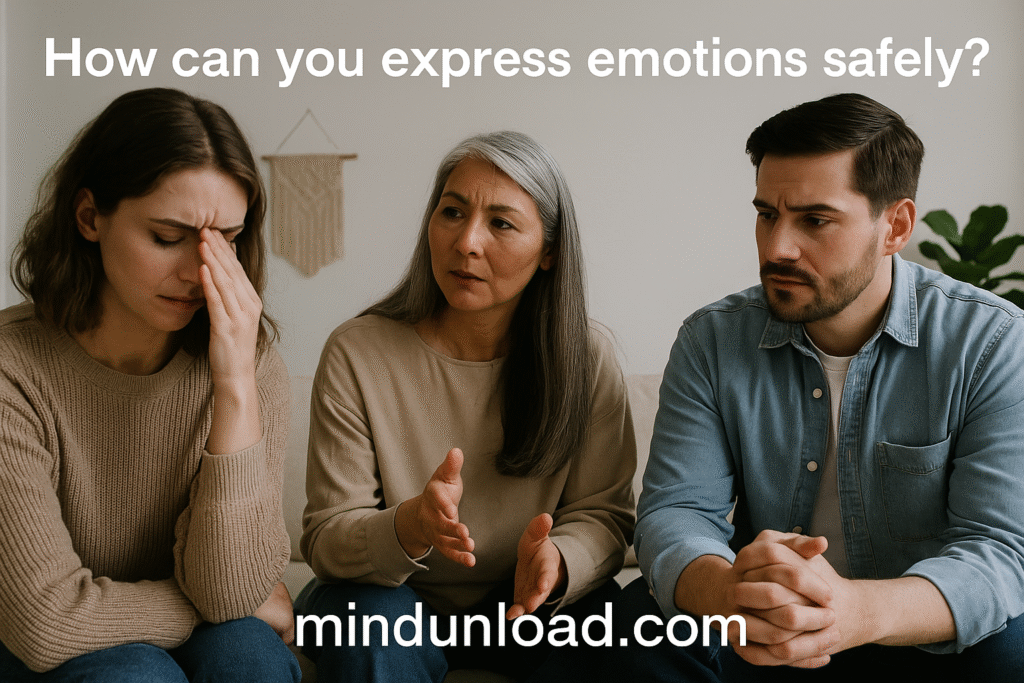
Express emotions safely is one of the most valuable habits anyone can build for emotional clarity and personal stability. When people learn to let their feelings flow without fear or judgment, they create space in their mind for healing and balance. Many individuals carry emotional weight for years because they never learned how to release what is inside them. Platform mindunload focuses on guiding people through simple steps that help them open up at their own pace. This process encourages gentle reflection, emotional softness and long term inner calm. With the right approach, safe expression becomes a daily practice instead of something difficult or overwhelming.
Table of Contents
Express emotions safely
It begins with understanding what your mind and body are trying to communicate. Emotions often show up as heaviness, restlessness or confusion, and safe expression helps transform these feelings into clarity. By exploring supportive methods, individuals can create mental space that allows their thoughts to settle. A helpful place to start is writing freely, which is encouraged on mindunload, because it removes the pressure of speaking out loud. Safe expression also reduces emotional buildup that can create tension in relationships. When feelings are addressed early, they do not grow into patterns of frustration or silence. This mindset supports long term stability and emotional strength.
Why the process matters for wellbeing
The ability to let emotions flow gently is central to overall mental wellness. When people try to suppress their feelings, they often experience more pressure inside, which affects mood, confidence and clarity. Creating small routines that help you express emotions safely builds emotional honesty and self trust. It also supports healthier communication, because people who understand their own emotions find it easier to explain them to others. A big part of this improvement is linked to Stress Relief because emotional release naturally relaxes the mind and body. When tension decreases, your thoughts become clearer and your reactions more balanced. This makes everyday challenges easier to handle and reduces emotional exhaustion.
Emotional release, inner calm and Relief stress
Emotional release is directly connected to Stress Relief because the mind becomes lighter when you allow feelings to move through you instead of holding them inside. People often experience calmness after acknowledging what they feel, even before they solve the problem behind it. Techniques such as free writing, slow pauses and gentle reflection support natural relaxation. These practices, shared on mindunload, show how simple steps can reduce emotional pressure. Stress Relief also increases when people stop judging their feelings and start viewing them as signals. When emotions have space to flow, the body becomes more relaxed and the mind becomes more settled, creating a healthier emotional environment.
Building a mindset that helps you express emotions safely
Developing a mindset that supports safe emotional expression takes time and softness, but the rewards are meaningful. Many people were raised to feel that emotions are a problem or weakness, which makes expression difficult in adulthood. Relearning emotional safety involves accepting all feelings without fear. This type of mindset helps individuals pause, reflect and respond instead of reacting from pressure. Tools found on mindunload promote gentle awareness so people can understand themselves without judgment. When you consistently reflect on your emotional patterns, you discover insights that make future moments easier to manage. Over time, expressing emotions becomes natural and steady.
Pro Tips
- Write without judgment
Free writing helps you release emotional weight and supports Stress Relief by clearing space in your mind. This simple habit also reveals thoughts you did not realize were affecting you, helping you understand your emotional patterns better. - Pause when feelings rise
Stopping for a moment during emotional intensity brings clarity. A short pause allows you to breathe slowly, which calms your nervous system and helps you respond thoughtfully instead of reacting quickly. - Identify physical signs
Emotions often appear as body sensations such as tightness or restlessness. Listening to these signals increases awareness and reduces emotional confusion. This awareness improves how you understand and manage your reactions. - Practice gentle self talk
Replace harsh inner words with calm and kind statements. This helps you feel safe with your emotions and eliminates fear around expressing them. Over time, gentle self talk builds emotional trust. - Create a private reflection space
A quiet corner, journal or digital writing space helps you open up more freely. Privacy allows you to express your feelings deeply without hesitation, which leads to stronger emotional release. - Label emotions clearly
When you name your exact feelings, such as sadness, worry or frustration, your mind becomes less chaotic. Clear labels make emotional processing smoother and reduce pressure. - Walk to release tension
Movement helps energy shift through the body and supports Stress Relief. A short walk clears mental fog and allows your emotions to settle gently, giving you space to breathe and think. - Talk to someone you trust
Sharing your feelings with a safe person lightens emotional load. It strengthens your relationships and helps you feel understood, which improves emotional comfort and connection.
FAQs
1. How can someone express emotions safely every day?
People can do this by journaling, pausing during intense moments and allowing themselves to feel without fear. These habits help emotions move instead of staying trapped. With regular practice, emotional clarity becomes easier to achieve. Over time, safe expression becomes a natural part of daily life.
2. What should someone do when emotions feel difficult to handle?
Taking a short break helps reduce emotional pressure. Slow breaths create calmness and give the mind time to settle. Talking to someone trustworthy also provides comfort and clarity. These steps prevent overwhelming reactions and encourage gentle stability.
3. How does emotional awareness support inner balance?
Awareness helps individuals understand why they react the way they do. This leads to better control and healthier choices. It also helps reduce confusion and supports positive communication. Emotional awareness builds confidence and long term peace.
4. How can someone build a safe emotional environment?
Start by removing judgment toward your feelings. Create a private space where expression feels natural and uninterrupted. Boundaries also protect your emotional energy. A safe environment allows you to open up without fear.
5. What habits help manage strong emotions effectively?
Deep breathing, walking and writing are useful ways to release emotional tension. Talking to a trusted person also supports emotional understanding. These routines reduce intensity and calm the mind. With consistency, emotional balance becomes easier.
Conclusion
In the end, learning to express emotions safely gives your mind the support it needs to stay grounded and clear. When emotions have a safe outlet, Stress Relief becomes more natural and steady. Simple tools and soft routines help you stay connected to yourself and reduce inner pressure. The gentle approach shared on mindunload encourages reflection and emotional trust. With patience and practice, you can build emotional habits that create long lasting calmness, clarity and personal strength.
