



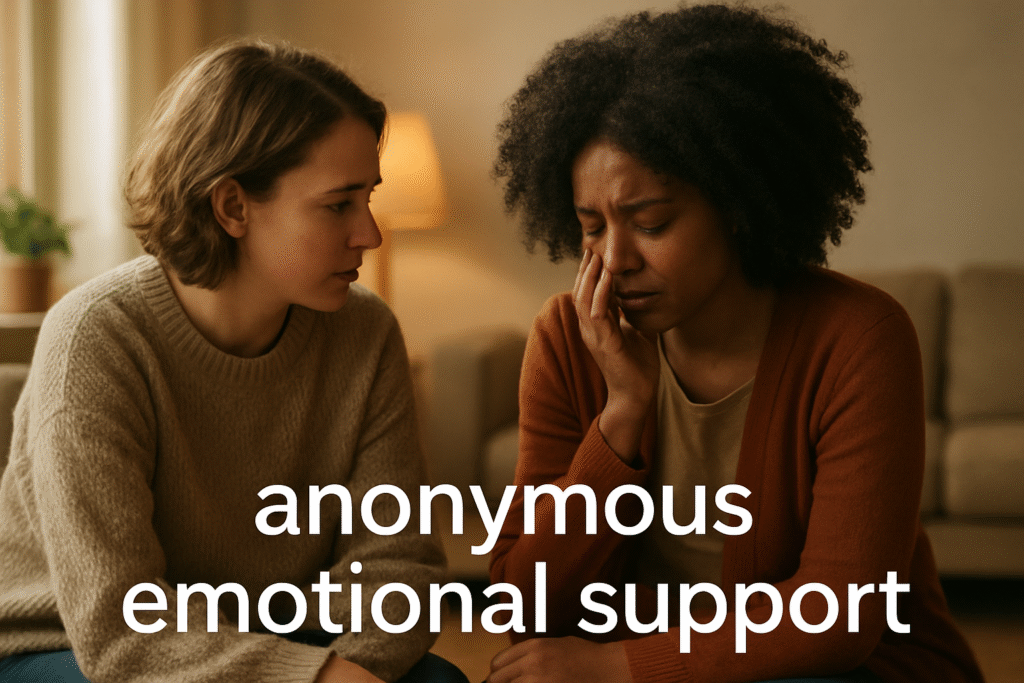
Anonymous emotional support is the first step many people take when they feel overwhelmed but hesitate to open up to friends or family. In today’s fast-moving world, emotional challenges often pile up quietly. Many struggle in silence because of stigma, judgment, or fear of being misunderstood. Here, anonymous spaces become a lifeline. They allow individuals to share feelings without revealing their identity, building confidence to express emotions freely. Platforms like mindunload.com are shaping this new way of providing comfort, offering tools where people can speak openly and find understanding without exposure.
Table of Contents
What makes anonymous emotional support valuable?
The real value lies in safety. People feel more secure when they know their identity will never be revealed. For someone going through grief, stress, anxiety, or burnout, speaking anonymously provides a sense of relief. Unlike traditional support circles, where hesitation often holds people back, anonymous outlets remove barriers. They promote genuine sharing, which in turn nurtures healing.
Through structured tools such as journaling and guided reflection, services like mindunload.com make it easier for people to put their emotions into words. This method bridges the gap between bottling up feelings and seeking professional therapy, serving as a gentle first step toward emotional wellness.
The role of an emotional support app in mental health
An emotional support app works as a pocket-sized companion for anyone needing instant relief. These apps are accessible anytime, allowing users to express thoughts during moments of loneliness or stress. Unlike traditional therapy appointments that require scheduling, apps create a space that is always open. They often combine features like private writing prompts, mood tracking, or guided exercises.
Many individuals turn to apps such as mindunload.com to build consistency in emotional expression. Journaling daily, tracking mood swings, or simply unloading thoughts helps create clarity and calm. In this way, an emotionaly support app becomes less of a luxury and more of a daily necessity.
How anonymous emotional support reduces stigma
Opening up anonymously is not just about convenience, it’s about courage. Many fear judgment if they talk openly about their struggles. Anonymous spaces reduce this fear and help normalize conversations about mental wellbeing. When individuals see that others share similar struggles, it builds solidarity and reduces the sense of isolation.
Services like mindunload.com highlight that emotional challenges are part of being human. By giving users the ability to share stories and feelings privately, these platforms fight stigma while fostering acceptance and resilience.
Pro Tips
1. Set clear intentions
Before starting your journaling or support session, take a moment to decide what you want to focus on whether it’s releasing emotions, reflecting on an event, or setting goals. This clarity provides direction and prevents your thoughts from scattering. With intention, every session becomes more purposeful and impactful.
2. Write daily if possible
Consistency is key when it comes to emotional release and self-reflection. Writing every day, even for a few minutes, helps you recognize patterns in your thoughts and feelings. Over time, this habit eases long-term stress and brings more mental clarity.
3. Use guided prompts
Sometimes it’s difficult to know where to begin when writing about emotions. Guided prompts from platforms like mindunload.com can give you a structured starting point. They help uncover deeper insights and make the process feel less overwhelming.
4. Be honest with yourself
Journaling or sharing emotions is a private practice, so you don’t need to filter your words. When you’re real and raw, the experience becomes far more healing and powerful. Remember, vulnerability here is strength, not weakness.
5. Track your moods
Pairing emotional expression with mood logs allows you to observe trends in your mental well-being. By recording how you feel daily, you’ll start noticing triggers, stressors, and improvements. This awareness makes it easier to take proactive steps for balance.
6. Experiment with timing
The time you choose to write can influence your clarity and release. Morning journaling helps set a clear tone for the day, while nighttime reflection offers emotional relief before sleep. Experiment until you find the timing that feels most supportive.
7. Review your entries
Looking back at old reflections can be eye-opening and motivating. You’ll see how your mindset, resilience, and emotional state have evolved. This review helps celebrate progress and gives you perspective on your journey.
8. Pair with mindfulness
Simple practices like deep breathing, meditation, or short relaxation exercises can help you ground before writing. They calm your mind and make your expression more focused and clear. This combination deepens the healing effect of journaling.
9. Don’t hold back
Anonymity creates a safe space where you can let your emotions flow freely. Don’t hide your thoughts or worry about being judged. The more open you are, the more relief and self-understanding you gain.
FAQs
1. How does anonymous emotional support work in practice?
It allows people to share thoughts or emotions without revealing identity. Platforms provide safe, judgment-free spaces where individuals feel comfortable expressing themselves. Over time, this builds confidence and emotional clarity.
2. Can an emotional support app replace therapy?
Not entirely. While apps are excellent for day-to-day relief and consistent expression, professional therapy is required for deep-rooted issues or clinical conditions. Apps serve as a complementary tool rather than a replacement.
3. Who benefits most from emotional support apps?
Anyone can benefit, but they are particularly useful for people dealing with stress, loneliness, or life transitions. Students, professionals, and caregivers often find these apps valuable for quick emotional release.
4. Are these platforms secure and private?
Yes, most leading apps prioritize user privacy. They protect data with encryption and allow anonymous participation. Reading policies before use is always wise, but trusted platforms like mindunload.com are built with confidentiality in mind.
5. How often should I use an emotional support app?
Frequency depends on personal needs. Some people use it daily as a journaling practice, while others rely on it during stressful times. Regular engagement provides the best long-term results.
Conclusion
Anonymous emotional support provides a powerful, stigma-free way for people to process feelings. It creates safe spaces that encourage honesty, reduce isolation, and normalize mental wellbeing conversations. Combined with tools like an emotional support app, it enables consistent, practical support that fits into daily life. Platforms such as mindunload.com are paving the way by offering anonymous journaling and reflection features that make emotional care more accessible than ever.
By embracing these tools, individuals can lighten their emotional load, build resilience, and nurture healthier mental habits. Whether you start with a few minutes of writing or regular use of an app, the important step is beginning the journey toward emotional balance.
