



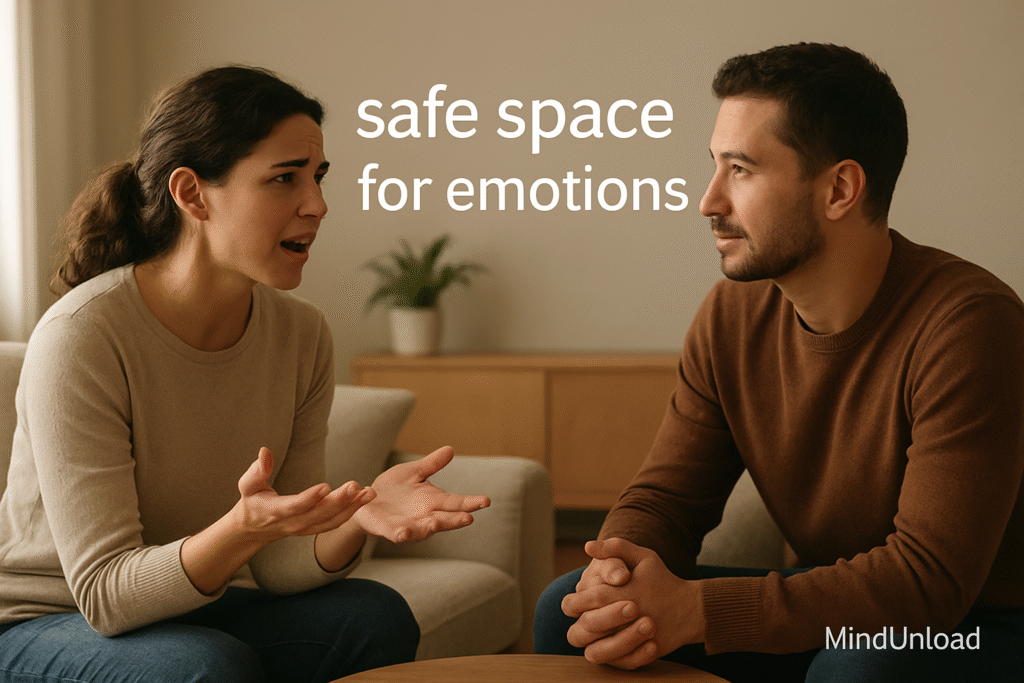
A safe space for emotions is more than a metaphor; it’s a sanctuary where you can reveal your inner world without fear, judgment, or shame. It’s where you can cry, vent, scream, or simply sit with your feelings in silence. But in our fast-paced, digitally connected lives, finding such a sanctuary offline isn’t always possible. That is why many people search for a safe online space to talk about emotions, where anonymity, empathy, and understanding can bridge the distance between hearts.
The platform mindunload makes it easier to express your thoughts freely without revealing your identity. It provides a warm, confidential digital corner to share emotions, release stress, and feel heard. Whether you’re facing daily stress, emotional overwhelm, or simply need someone to listen, mindunload offers that nonjudgmental space. It’s not just about venting, it’s about being truly understood in a world that often asks you to stay silent.
Table of Contents
Why a safe space for emotions matters
When you feel unsafe expressing emotions, they often build up inside, leading to anxiety, depression, anger outbursts, or a deep sense of isolation. Having a supportive environment where you can freely express your thoughts and emotions allows you to name what you feel, be truly understood, and untangle inner confusion. It helps you release emotional weight and develop greater resilience over time. When you have such a nurturing space, it becomes easier to process your feelings without shame or fear. This emotional freedom restores clarity, strengthens mental well-being, and builds self-trust, helping you live with more balance, empathy, and authenticity each day.
A safe online space to talk about emotions is particularly powerful because it can remove many barriers geographic, judgemental, relational that might block expression in real life.
What makes a space “safe” for emotions?
- Judgment-free listening
You should feel heard without being judged, lectured, or dismissed. - Confidentiality / anonymity
You must trust that what you share stays private (or anonymous). - Empathy over advice
Someone willing to feel with you, rather than immediately fix or direct. - Emotional permission
You are allowed and encouraged to feel rather than suppress. - Consistent support / boundaries
You know the space is steady and reliable, with rules to keep it safe. - Freedom to pause or withdraw
You can choose to stay or step away when needed.
A safe online space to talk about emotions ideally checks all these boxes, so you can safely open your inner world.
How a Trusted Platform Creates a Safe Online Space for Emotional Expression
- It offers anonymous venting so people can share without revealing identity.
- It connects users with Empathy Advocates trained listeners who offer supportive, nonjudgmental presence.
- It includes guided journaling, reflection tools, and mindfulness exercises to help users process their feelings with structure.
- It protects user privacy and emphasizes confidentiality.
- It is accessible online from anywhere, making it a safe online space to talk about emotions no matter your location.
By combining these features, mindunload demonstrates how an online platform can truly foster emotional safety and support.
Pro Tips
- Set intentions before sharing
Decide what you hope to get, validation, relief, insight, and share that with your listener or in your self-talk. - Use a trusted listener or platform
Whether a close friend, therapist, or a platform such as mindunload, pick a space with confidentiality and empathy. - Name your emotions clearly
Instead of “I feel bad,” try “I feel overwhelmed and scared.” Naming helps you feel more grounded. - Give yourself permission to feel
Remind yourself it’s okay to cry, pause, or not have words. You don’t owe anyone perfection. - Set a time boundary or signal to pause
If sharing becomes overwhelming, use a phrase like “I need a moment” or a physical signal to pause. - Use journaling or typed reflection first
Begin with writing privately if direct sharing feels scary. You can refine your expression before speaking. - Use grounding techniques during emotional surge
Breathe deeply, notice your five senses, or touch something calming (stone, plant, etc.). - Ask for what you need
You might ask the listener to simply listen, not to fix. You might ask for silence, validation, a hug. - Check in post-expressing
After you’ve shared, take time to notice how you feel, what relief or unease remains, and whether follow-up is needed. - Limit exposure to harmful spaces
Avoid places (forums, social media) where dismissiveness or conflict is common. Save your emotional energy for safer zones.
FAQs
What is a safe space for emotions and how do I know it’s real?
It is a place where you can express yourself without fear of shame, rejection, or judgment. You’ll know it’s real if you feel lighter afterward, more understood, and free to pause or withdraw when needed. In a true safe space, you find permission to feel, and consistent empathy from whoever is listening.
Can an online platform really become a support system?
Yes. When designed thoughtfully with features like anonymity, empathy-based listeners, privacy, and structured support tools, an online platform can offer emotional connection and relief. Many people feel safer opening up online first before later extending that trust offline.
How do I protect myself when sharing feelings online?
Use pseudonyms or anonymous modes, avoid oversharing personal identifiers, share only what you feel comfortable with, and check whether the platform (or listener) has clear privacy policies and moderation in place.
What if a listener reacts harshly or dismissively?
You can pause, state your boundary (e.g. “I find that response hurtful”), or withdraw. A safe space allows you refuge from harsh reactions. Over time, you may choose only spaces or individuals who stay consistent with empathy.
How often should I use a safe space to talk about emotions?
There’s no fixed rule. Use it when emotions feel heavy, confusing, or urgent. Some people use it daily for check-ins; others, during times of crisis. What matters is consistency and knowing you have it when you need it.
Conclusion
In a world that often minimizes emotional experience, cultivating a safe space for emotions is an act of radical care. Whether through a trusted listener, your own journal, or a safe online space to talk about emotions, emotional safety allows vulnerability, healing, and growth.
We’ve explored the qualities that make a space truly safe, seen how an online platform can implement them responsibly, and shared 10 pro tips you can use immediately. We answered common questions, clarified boundaries, and underscored how you deserve a sanctuary for your feelings. Emotionally unloading doesn’t mean you’re weak, it shows strength, awareness, and resilience. May you carry within you a refuge you can return to, a safe space for emotions whether inside your heart, a trusted listener, or a compassionate online community. And if ever you seek a safe online space to talk about emotions, do consider visiting mindunload as a possible step toward emotional relief.
