



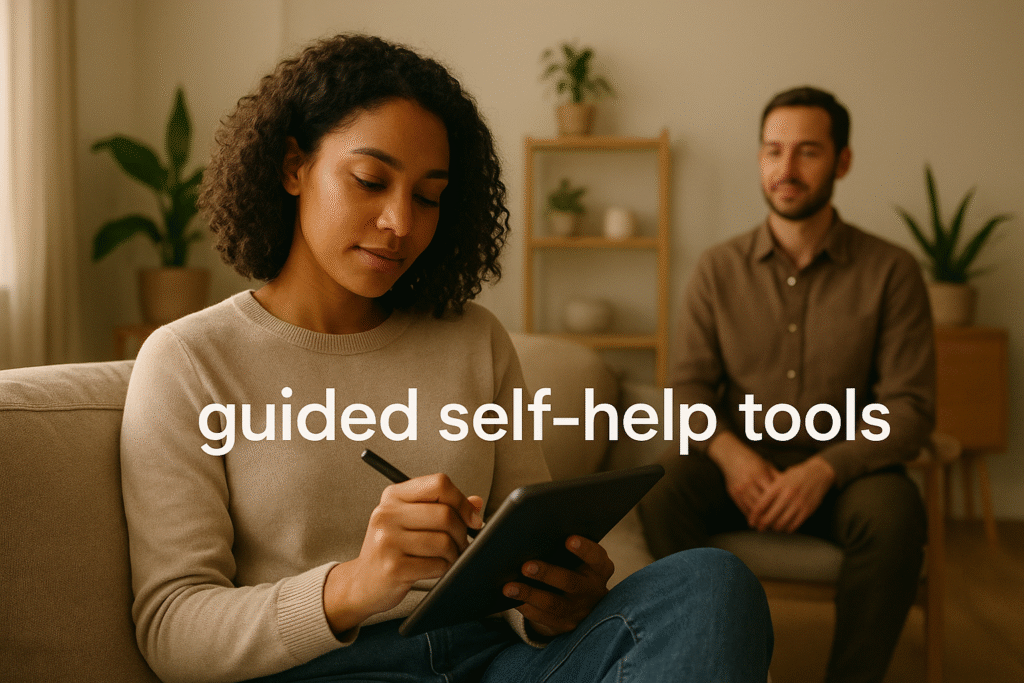
In today’s fast-paced world, mental health often takes a backseat, leaving many feeling overwhelmed, stressed, or nervous. Guided self-help tools are emerging as a powerful resource for individuals looking to take control of their mental well-being. These tools provide structured guidance, helping users manage stress, track moods, and develop healthier habits. Platform mindunload makes accessing these tools easy and convenient, offering a safe space to explore mental wellness. By integrating these resources into daily routines, individuals can cultivate self-awareness and resilience. While they are not a replacement for professional therapy, they serve as a valuable complement to traditional support. Let’s explore how we can make a meaningful difference in mental health care.
Table of Contents
What Are Guided Self-Help Tools?
It is a digital resource designed to support individuals in managing their mental health effectively. These apps often incorporate evidence-based practices such as Cognitive Behavioral Therapy (CBT), mindfulness exercises, and relaxation techniques to help users cope with stress, anxiety, and daily challenges. Platform mindunload provides access to such apps, offering a safe and structured environment for self-guided mental wellness. By using a self-help mental app, individuals can track their moods, set personal goals, and develop healthier coping strategies at their own pace. These apps empower users to take charge of their mental well-being, fostering self-awareness and emotional resilience in everyday life.
Features of Self-Help Mental Apps
Structured Programs: Many apps offer step-by-step programs based on therapeutic techniques like CBT or mindfulness.
Progress Tracking: Users can monitor their mental health journey, identifying patterns and areas for improvement.
Personalized Recommendations: Some apps provide tailored advice based on user input, enhancing the relevance of the support offered.
Accessibility: Available on various platforms, these apps can be accessed anytime and anywhere, providing flexibility for users.
Benefits of Using Self-Help Mental Apps
- Accessibility Anytime, Anywhere
One of the primary advantages of self-help mental apps is their accessibility. Users can engage with these resources at their convenience, eliminating the need for scheduled therapy sessions. This flexibility is particularly beneficial for those with busy lifestyles or limited access to mental health professionals. - Evidence-Based Techniques
Many apps incorporate evidence-based practices such as CBT, mindfulness, and relaxation techniques. These approaches have been shown to be effective in managing conditions like anxiety, depression, and stress. - Cost-Effectiveness
Compared to traditional therapy, apps are often more affordable. While some may require a one-time purchase or subscription, many offer free versions with essential features, making mental health support more accessible to a broader audience. Platform mindunload provides easy access to such resources, allowing users to benefit from structured mental wellness support without the high costs of conventional therapy. - Empowerment and Self-Awareness
By actively engaging with these apps, individuals can develop a deeper understanding of their thoughts and behaviors. This self-awareness can lead to improved emotional regulation and coping strategies.
Limitations to Consider
- Not a Replacement for Professional Help: These apps are not intended to replace licensed therapists or medical professionals. They should be used as a supplementary resource.
- Self-Discipline Required: Users need to be self-motivated to engage regularly with the apps to see benefits.
- Limited Scope: Some apps may not address all mental health concerns or may lack depth in certain areas.
Integrating Self-Help Mental Apps into Your Routine
- Set a Regular Schedule: Dedicate specific times each day to engage with the app, ensuring consistency.
- Combine with Other Practices: Use the app alongside other self-care practices like exercise, healthy eating, and adequate sleep.
- Monitor Progress: Keep track of your mental health journey to identify patterns and areas for improvement.
- Seek Professional Help When Needed: If you experience severe symptoms or distress, consult a mental health professional.
Pro Tips
- Create a consistent routine
Set aside a specific time each day for reflection or journaling. Consistency helps build a habit and ensures the tools become part of your daily self-care practice. - Start small
Begin with short sessions, like 5–10 minutes. Small, manageable steps prevent overwhelm and help you maintain momentum. - Use a dedicated space
Whether it’s a cozy corner at home or a quiet office area, having a dedicated space can make your sessions feel special and focused. - Record your progress
Write in a notebook or digital app so you can revisit past reflections. Observing growth over time boosts motivation and insight. - Embrace honesty and openness
Respond authentically to prompts, without censoring yourself. The more honest you are, the more effective the guided tools become. - Mix different tool types
Combine journaling, mindfulness exercises, and emotional check-ins. Variety keeps your self-help practice engaging and holistic. - Be patient with yourself
Progress is gradual. Some days will feel easier than others. Allow yourself the time and space to grow at your own pace. - Reflect before acting
Use prompts to clarify your thoughts before making decisions. This helps you respond thoughtfully rather than react rashly. - Pair tools with self-care
Complement your guided exercises with small acts of self-care, like a short walk, deep breathing, or a healthy snack. This reinforces the benefits. - Celebrate small wins
Recognize and appreciate minor breakthroughs or insights. Celebrating small steps encourages continued practice and positive reinforcement.
FAQs
Q1: How do guided self-help tools differ from traditional therapy?
A1: Traditional therapy involves direct interaction with a licensed professional, while guided self-help tools are self-directed resources that provide structured guidance for managing mental health.
Q2: Can these tools replace medication for anxiety?
A2: No, these tools are not a substitute for medication. They can complement treatment but should not replace prescribed medications.
Q3: Are there any free versions available?
A3: Yes, many apps offer free versions with essential features, making mental health support more accessible.
Q4: How can I stay motivated to use these tools regularly?
A4: Setting a routine, tracking progress, and combining the app with other self-care practices can help maintain motivation.
Q5: Are these tools suitable for children and adolescents?
A5: Some apps are designed for younger audiences, but it’s essential to ensure the content is age-appropriate and, if necessary, consult a professional.
Conclusion
Guided self-help tools offer a convenient and cost-effective way to manage mental health, providing structured guidance and support that can fit into even the busiest schedules. While they have limitations and should not replace professional help, they can serve as a valuable component of a comprehensive mental wellness plan. By integrating these tools into your daily routine and using them responsibly, you can develop better coping strategies, increase self-awareness, and improve emotional resilience over time. Platform mindunload makes it easy to access these resources, offering a safe and supportive environment to explore mental health solutions. Using a self-help mental app from such platforms allows you to take proactive steps in managing your mental well-being. Engaging with these tools regularly can empower you to maintain consistent mental wellness, develop healthier habits, and build a more balanced lifestyle over time.
