



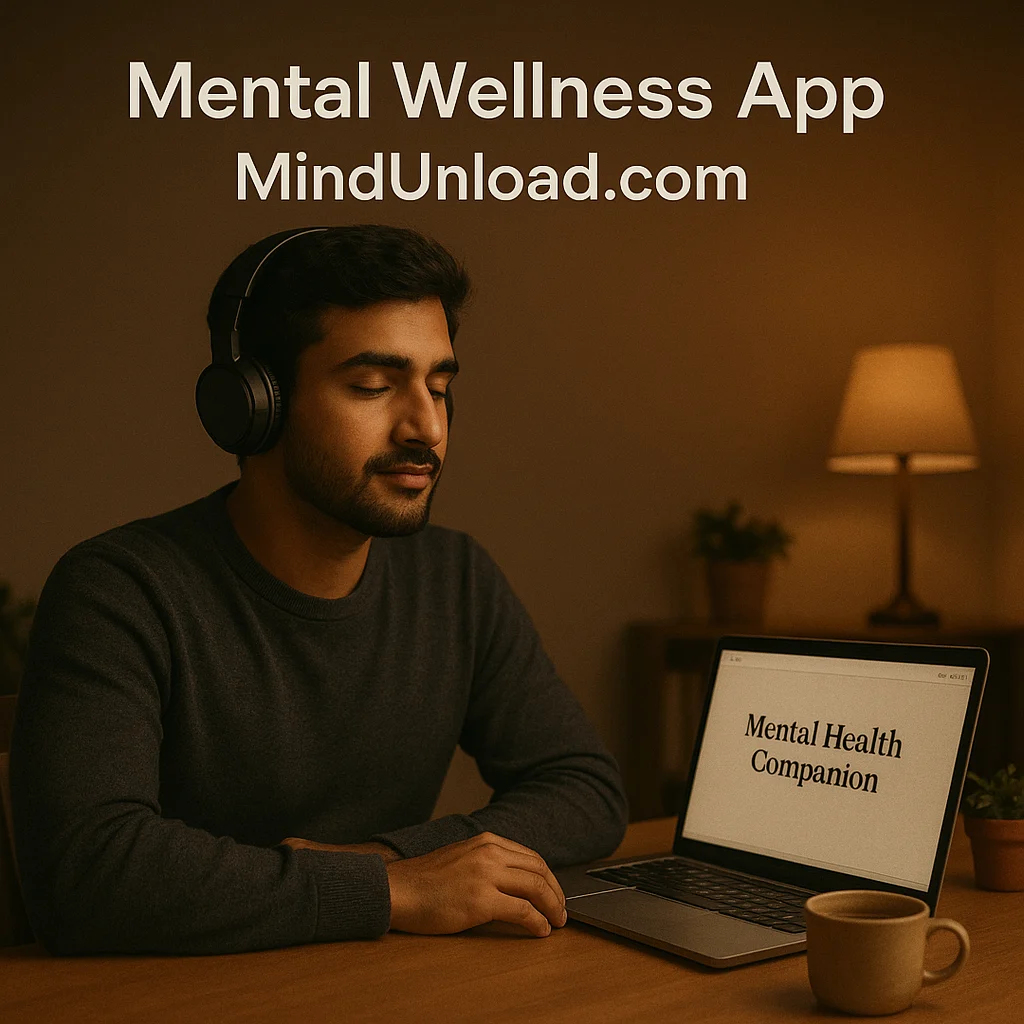
Finding the right mental wellness app can feel overwhelming when you’re already dealing with emotional ups and downs. In today’s fast-moving world, more people are turning to digital support for stress, anxiety, and emotional regulation. The good news? The right app can act like your personal mental health companion, guiding you through tough moments and helping you build healthier habits.
Let’s explore how to choose one that’s actually helpful, not just another download that sits unused on your phone.
Table of Contents
Why Digital Support for Emotions Matters
Not everyone feels comfortable talking to someone face-to-face about how they feel. Sometimes we just need a quiet space to reflect, breathe, or express emotions without judgment. A reliable support app gives you that space, and much more.
With the right features, it can help you track mood swings, manage triggers, and build calm routines. If it’s built well, it will feel like a real mental health companion, not a robotic tool.
MindUnload is designed around these values. It offers a safe, guided platform for emotional check-ins, journaling, and stress relief. It’s simple to use, deeply personal, and created for anyone looking to feel lighter, day or night.
Key Features to Look for in a Good Mental Wellness App
Before you hit download, make sure the app checks off these essential features:
- Mood Tracking
An app that helps you track your feelings each day gives you insight into patterns and progress. - Emotional Check-ins
Daily or weekly questions that encourage reflection can be powerful tools for emotional growth. - Journaling and Expression
The ability to write your thoughts freely helps release emotions and gain clarity. - Guided Breathing or Meditation
Simple voice or visual guides to help you stay calm during stress spikes. - Anonymous Use
Your data and feelings should stay private. Look for apps that don’t ask for personal information unless needed.
If an app feels too complicated or overwhelming, it won’t help. The right support tool should be easy, friendly, and supportive, like a human in your pocket.
Why Your App Should Feel Like a Mental Health Companion
An ideal emotional support tool doesn’t just collect your data, it grows with you. That’s why a true mental health companion offers reminders, encouragement, and feedback that feels personal.
Platform MindUnload understands that emotional well-being needs more than features, it needs empathy. With guided journaling, calming tools, and total privacy, the platform becomes a daily space to check in with yourself without pressure.
It doesn’t need to replace therapy, but it can offer real support in your hands, when you need it most.
Signs You’ve Found the Right One
Once you start using an app, notice how it makes you feel:
- Do you feel calmer or more grounded after using it?
- Does it help you reflect without judgment?
- Can you use it easily, without stress or confusion?
- Is it there when you need it, late nights or anxious mornings?
- Does it feel like a caring voice rather than a checklist?
If you say yes to most of these, you may have found a support tool that actually works for you.
Pro Tips for Choosing a Mental Wellness App That Helps
- Start with free features first and explore the app before upgrading or subscribing.
- Look for daily mood logs or check-ins, they help you understand emotional patterns.
- Choose an app that lets you write or record thoughts without pressure.
- Avoid apps that feel too clinical or hard to use, comfort is key.
- Use reminder tools or calming notifications to keep your emotional routine steady.
- Stay anonymous if that helps you feel safer, privacy matters.
- Choose apps that work even without Wi-Fi, emotions don’t wait for a good signal.
- Pick one that feels local or culturally familiar, it builds trust.
- Avoid apps that give scores or comparisons, you’re not a number.
- Even 5 minutes a day using the right app can build long-term emotional balance.
FAQs
1. How can I choose the best mental wellness app for me?
Pick an app that feels comfortable, easy to use, and helps you track emotions safely. It should offer tools like mood logging, journaling, and calming practices. Most importantly, it should make you feel supported, not judged.
2. What should I avoid in an emotional support app?
Avoid apps that ask for too much personal data, feel overly robotic, or pressure you with results or upgrades. You want something kind, not something that stresses you more.
3. Can I use a mental health app with therapy?
Yes. Many people use apps alongside therapy to manage emotions in between sessions. It’s a great way to stay consistent and aware of how you’re feeling daily.
4. What’s the benefit of mood tracking?
Mood tracking helps you notice patterns, like if certain days or situations make you feel low. Once you see the trends, it becomes easier to make small changes that improve emotional balance.
5. Are these apps really useful when I feel overwhelmed?
Yes. A good mental health companion will offer calming tools like breathing, guided journaling, or simple reflection tips to help during tough moments.
Conclusion
Choosing the right mental wellness app can help you better understand and manage your emotions every single day. Whether you’re facing stress, anxiety, or just want a space to reflect, a trusted mental health companion can make all the difference.
From journaling features to mood logs and breathing guides, the right app isn’t just software, it’s like having a friend on your phone.
If you’re ready to find peace of mind, explore tools that truly support you. MindUnload is built for this very purpose, a space to feel safe, supported, and emotionally balanced.
